Open Letter: European pact on migration: search-and-rescue recommendations
2 Min. Lesezeit

Dear Ursula von der Leyen,
With great disappointment we could not find the announcement of a European Search and Rescue operation in the Pact on Migration, despite the fact that, as underlined in your State of the Union speech: “saving lives at sea is not optional”.
We consider that the safety and equipment of our vessels as well as the transparent way of exchanging information and communicating to national authorities should not be the focal points of the European Commission’s attention when speaking about the current situation in the Mediterranean.
But as you seem to be mislead in this regard, we hereby reiterate again what we consider as suitable measures to be taken for shaping the legal framework and approaches at the deadliest border of the world:
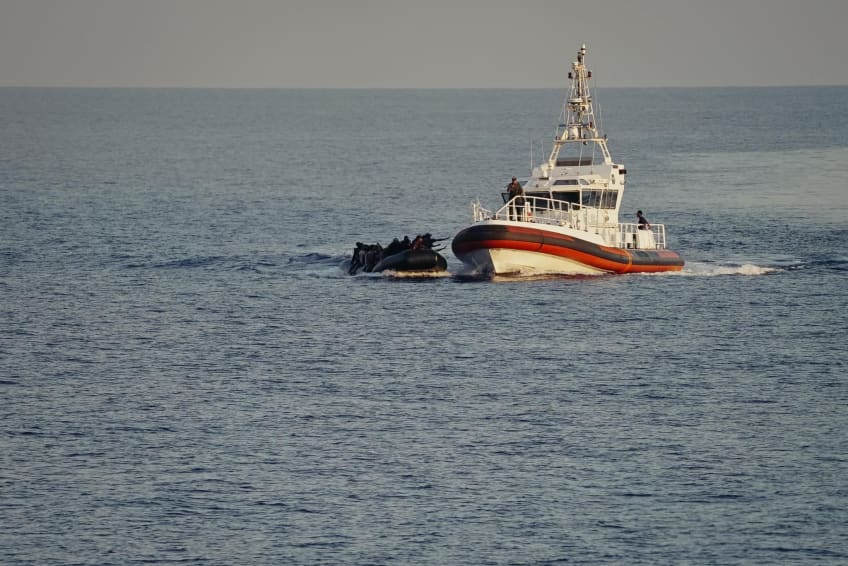
Under international law, people rescued at sea should be taken to the nearest place of safety where the rescued persons’ safety of life is no longer at risk and basic human needs can be met. The right to seek asylum and the principle of non-refoulement are repeated in the Treaties of the European Union, which also declares that the Union is founded on the values of respect for human dignity, human rights, freedom, democracy, equality and the rule of law.
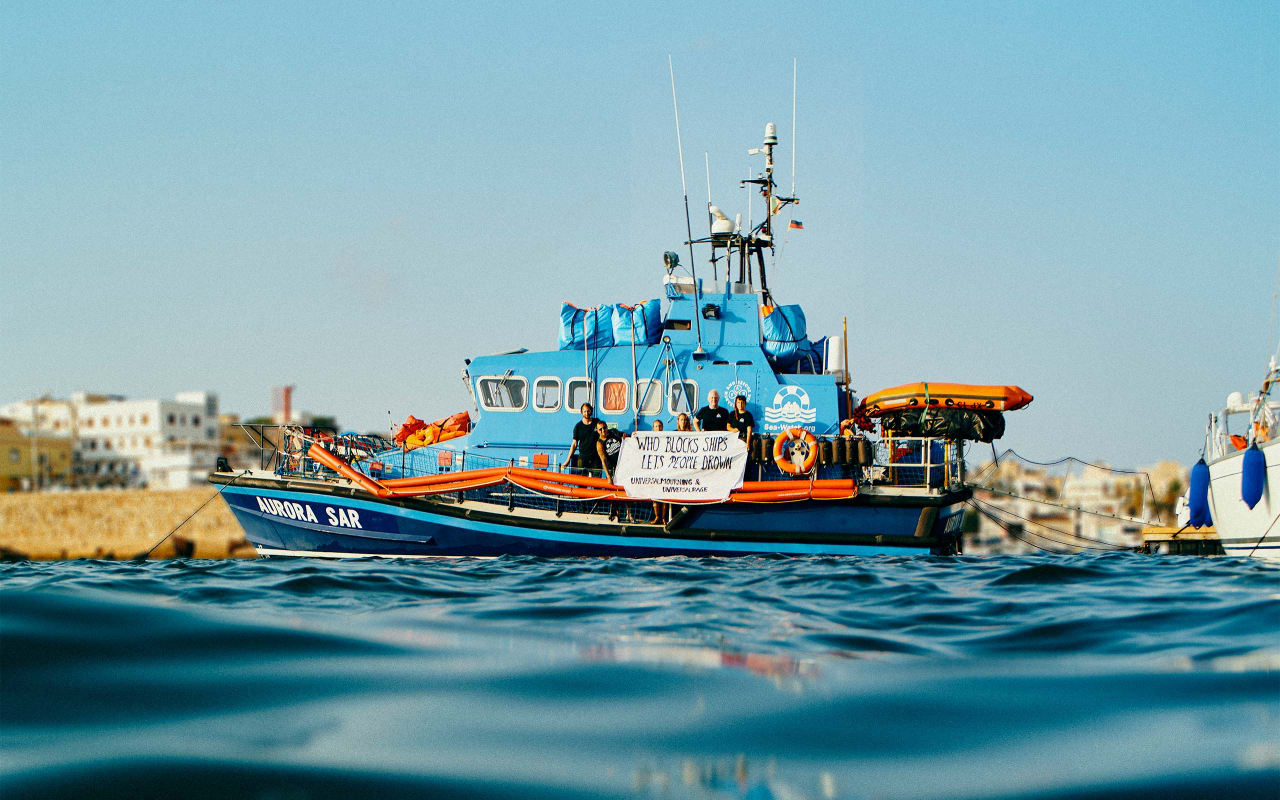
Rather than supporting life-saving search and rescue missions in the Mediterranean, European governments are putting undue pressure on the civil society organisations, making unfounded allegations against them and preventing search and rescue vessels from entering and leaving their ports.
These actions have made it extremely difficult for search and rescue organisations to continue their life-saving work. Therefore, your SAR-recommendations should rather concentrate on ensuring to:
- Establish a European search and rescue program
- Support civil search and rescue operations: Countries should allow all vessels conducting search and rescue activities to dock in their ports, disembark people who have been rescued, and return to sea in a timely manner. Attempting to prevent the life-saving operations of NGOs and commercial vessels is a dangerous approach that puts lives at risk
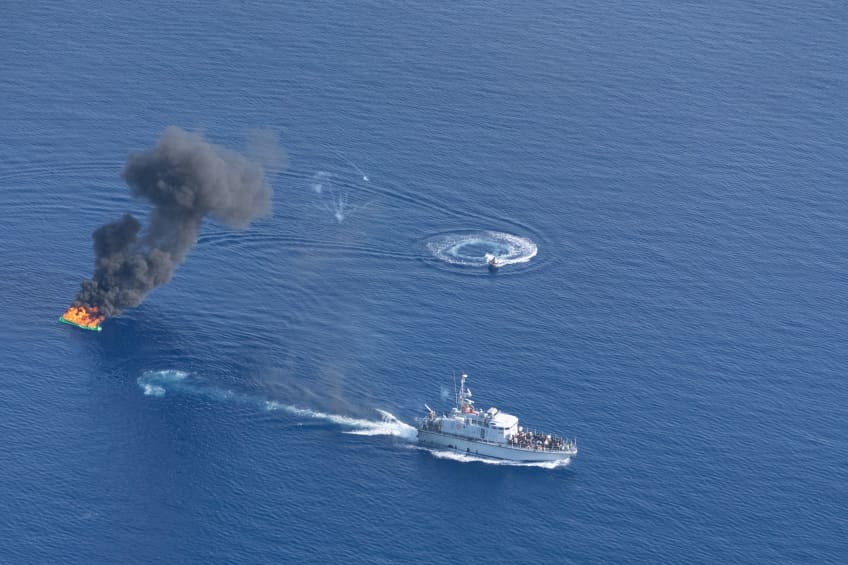
- End returns to Libya and the cooperation with the so-called Libyan Coast Guard: Libya is a country torn apart by war, where refugees and migrants are regularly detained in horrific conditions that violate their basic human rights. Women, children and men who are returned to Libya by the EU-supported so-called Libyan Coast Guard face automatic, arbitrary detention and the real risk of torture and other serious human rights violations. Frontex and Eunavfor Med assets should stop any cooperation with the so-called Libyan Coast Guard thus facilitating illegal pushbacks.
- Facilitate an automatic redistribution system in order to stop the illegitimate practise of making the disembarkation of people conditional to agreements on redistributions and finalize a fair reform of the Dublin III Regulation.
Abonniere unseren Newsletter