We’re doing our duty at sea, now Europe’s politicians must do the same from ashore
4 min read

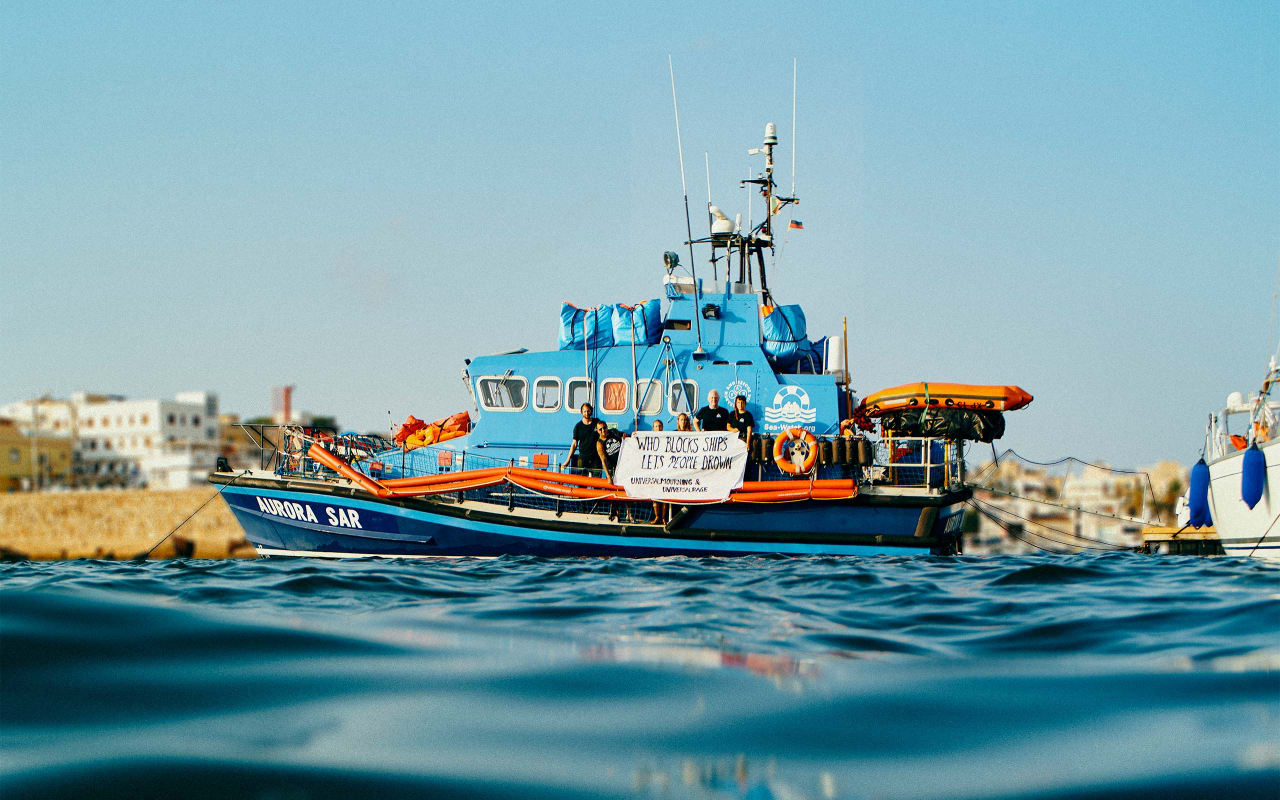
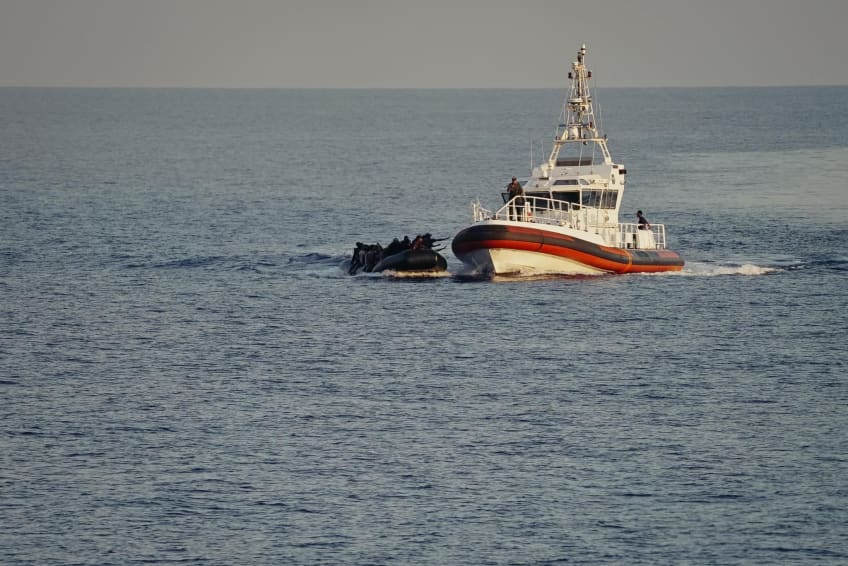
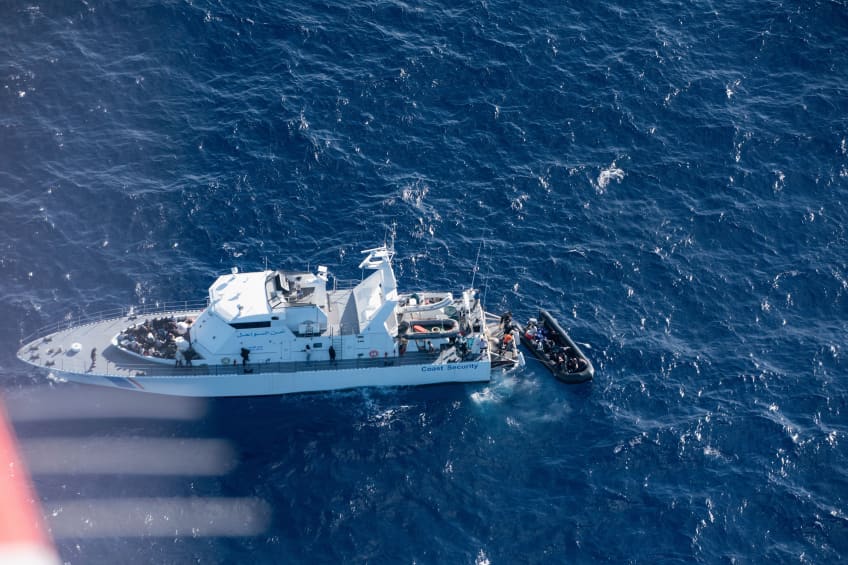
It was 32 people this time, in an unseaworthy boat in international waters north off of Libya. Fleeing war, torture, rape, poverty. Men, women and seven children, four of them unaccompanied. Would Europe have wanted them to drown? We’re thankful that we found them in time. Because every human life deserves protection. That’s why we’re here, on the Mediterranean Sea, where Europe is failing in every way.
Safe harbour
According to international law, rescued refugees and migrants have to be brought to a nearby port of safety as soon as possible. The question of whether they qualify for asylum or other residence status can be answered later. But now, two weeks later, Sea-Watch 3 still has to remain at sea within sight of Malta, despite a gathering storm. The calls by European Commissioner Dimitris Avramopoulos and the UNHCR to offer these refugees a port of safety as soon as possible are being steadfastly ignored by European politicians.
Flag state
The fact that Malta is refusing Sea Watch access to the harbour, and that the Netherlands – as our flagstate – is barely making any efforts to comply with the international agreements on saving human lives at sea, is not only inhumane. It is also symptomatic of the political game that is being played with humanitarian organisations that engage in Search and Rescue operations in the Med. For months Sea-Watch 3 was not allowed to leave the Maltese harbour of Valletta, supposedly because of questions about the ship’s official documents. A report by the Netherlands Shipping Inspectorate made it clear that our ship is in compliance with all applicable regulations. In recent years the rescue ships the Iuventa, Aquarius, Sea-Eye and Lifeline have all been faced with political smear campaigns and unfounded accusations ranging from peoplesmuggling to poor waste management. Anything to keep the ships grounded. Likewise, merchant ships, fishing boats and even navy vessels that have rescued People in distress at sea have been regularly refused access to safe harbours. As a result, the age-old written and unwritten law that you don’t let people in distress drown, and the Right to apply for asylum if you need protection, have been wilfully set aside.
Human trafficking
Some insist that our humanitarian interventions facilitate human trafficking and that ships such as the Sea Watch 3 must therefore be detained. These are no more than ill-informed and dangerous slogans. Last summer, after two years of investigation, the Italian Public Prosecution Service stated that there are no indications whatsoever that Sea-Watch is involved in human trafficking. Research by think tank SPI, the Italian Institute for International Political Studies, have concluded that NGO rescue ships, unlike what is often claimed with no basis, do not have a ‘pull effect’ on the numbers of people who try to make the crossing to Europe in small boats. The ‘push factors’ – the reasons why people seek a safe refuge – are simply too big for that, and mean people have no choice but to Risk everything to save their own lives.
Safe passage
The more the European Union tries to close its borders against refugees and migrants, the more dangerous the routes that – in their desperation – they are forced to take. So it is in fact the European Union that is endangering lives, not the humanitarian organisations that until now have rescued tens of thousands of people from drowning. It’s for good reasons that Sea-Watch and other organisations such as MSF have been calling for years for safe passage with legal routes for people to seek a safe haven. When people need basic shelter, medical care, food and water they must be given those, regardless of their legal status.
Resettlement
The calls of countries such as Italy, Malta and Greece on other EU states for the reception and resettlement of refugees are justified, as other countries including the UK very well know. So it is high time that Europe makes new agreements for the reception and resettlement of people who are simply seeking a safe haven. There must come an end to the pushing to and fro of exhausted and often traumatised human beings – children and pregnant women among them – where again and again decisions are made on an ad hoc basis, apparently with the greatest difficulty, about which European country will admit a handful of people to their asylum procedure. Because it’s not just about the 32 guests who are now aboard the Sea-Watch 3 in storm conditions. According to figures of the IOM, over two thousand people drowned while attempting to cross the Mediterranean Sea in 2018. There have been at least 17,589 deaths on that route since 2014. The figure is probably many times higher, because who still accurately monitors what is going on in the seas to the north of Libya? If our political parties truly have respect for human lives and human rights they will make sure, together with their European colleagues, that this terrible death toll isn’t repeated in 2019.
Philipp Hahn, Head of Mission, and Robin Jenkins, RNLI volunteer for 20 years and Sea-Watch crew member
On behalf of the Crew 17 of Sea-Watch 3
Subscribe to our Newsletter