3 questions to the crew of our airplanes – Pt. 2

1 min read

Photo: Sea-Watch / Copyright

“I did not think a lot about refugees at Europe’s borders until I saw the situation with my own eyes. I wish more people would be able to have a closer look at what happens in the Mediterranean.”

We asked our airborne crew 3 questions.

After 32 years as a commercial pilot, Ditmar wanted to use his extensive experience to strengthen the airborne team.

Why did you get involved in Sea-Watch?

I wanted to help because I can. It is important to document the stories at sea and to use my flying skills to contribute to something important.

How was your first day of flying?

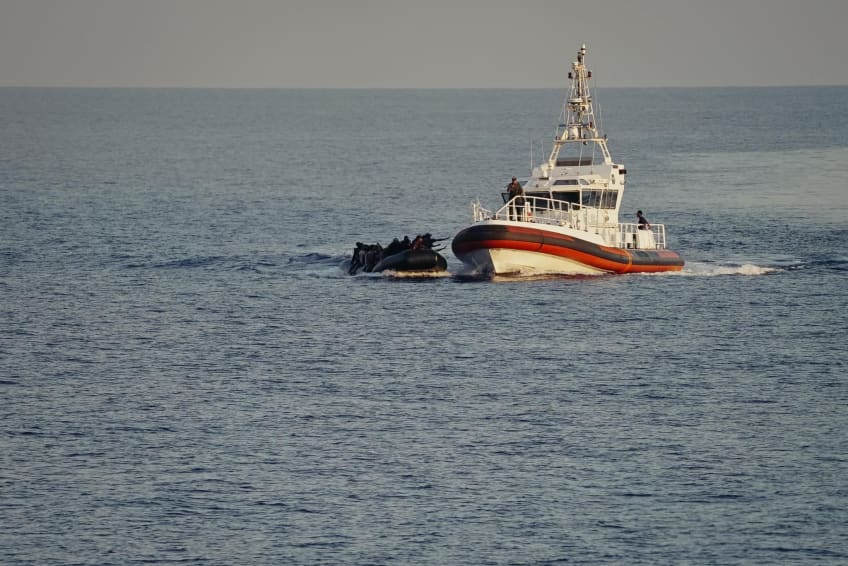
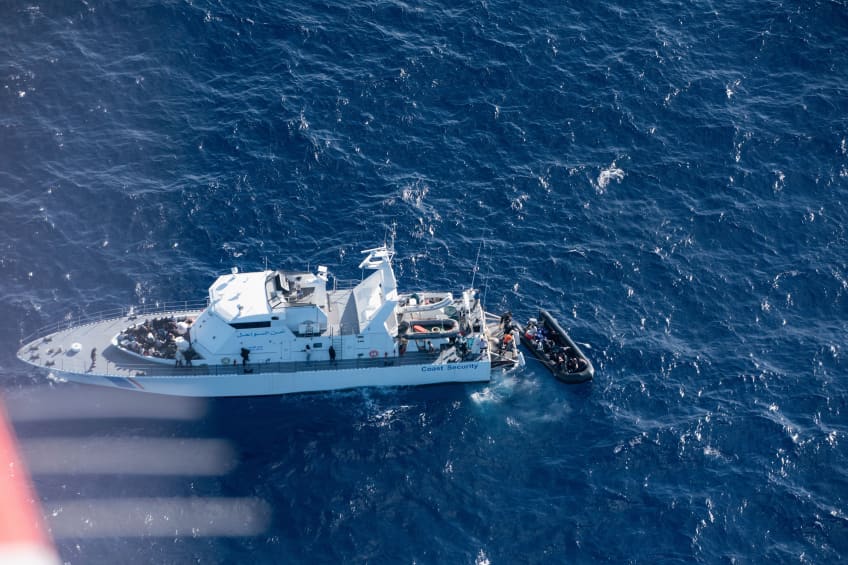
We came across a migrant boat with babies and small children on board. Looking at the weather and the distance from Lampedusa, our crew predicted they would probably not make it. It is incredibly sad to look down on people while being unable to help them. Fortunately, they landed safely on Italian soil the day after.

How did the work change you?

My view of the EU changed. It is a real pity to see what Europe is allowing to happen on the Mediterranean sea. Witnessing people in distress on television is remote and sterile but seeing it with your own eyes is completely different.

Subscribe to our Newsletter
Fields marked with * are mandatory.
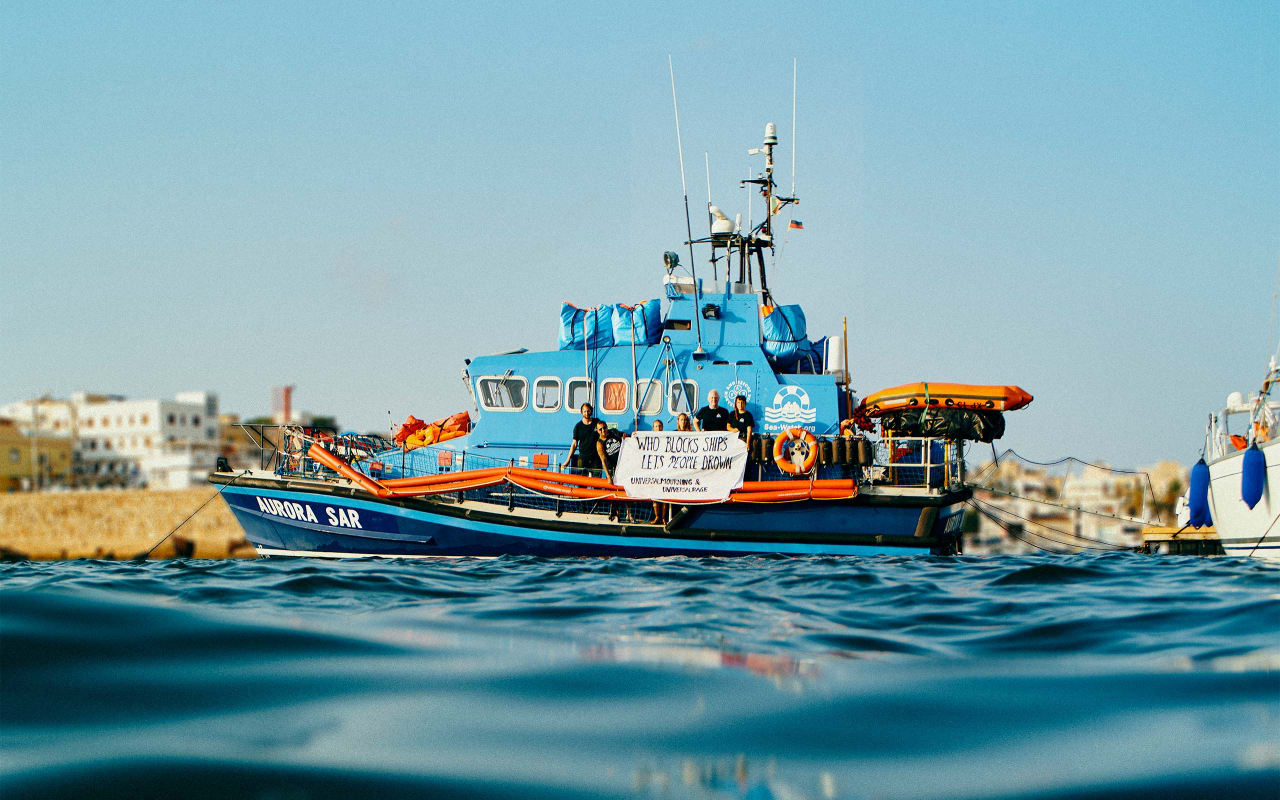
Ein Schiff von Sea-Watch im Mittelmeer. Vorne sind einige Wellen zu sehen, und im Hintergrund einige Häuser, da das Boot sich in Küstennähe befindet.

More news

All news

Press Release

First Justice Fleet anniversary: major court wins for the new alliance

One year ago, 13 civilian search and rescue organisations cut all operational contact with the Libyan rescue coordination centre in Tripoli, thereby founding the Justice Fleet Alliance. Since then, their rescue ships were blocked 12 times by the Italian government, amounting to more than 300 days of lost operational time. However, Italian courts confirm the alliance's approach: six times, Italian courts set the ships free again shortly after their detention. Six additional blockades are under judicial procedure at the moment, and the alliance is awaiting their verdicts. While some legal proceedings are still ongoing, none has resulted in a final ruling against Justice Fleet members.

Press Release

2026 is the most violent year in the Mediterranean since 2016

A new report by the civil sea rescue organisation Sea-Watch documents 107 violent incidents by Libyan militias against migrants and refugees, as well as European actors in the Mediterranean since 2016. More than 70 per cent of these incidents of extreme violence, 80 in total, were carried out by the so-called Libyan coastguard. The report is being published shortly before the renewal of Germany’s EUNAVFOR MED IRINI mandate. The current version of the mandate contains no clause excluding the training of the so-called Libyan Coast Guard by the German armed forces (Bundeswehr).

Press Release

Frontex ignores rescue ship - but gives Libyan militia the coordinates of a boat in distress

A Frontex aircraft ignored repeated radio calls from the civilian rescue ship Solidaire, then promptly gave a Libyan militia the coordinates of a boat in distress, facilitating the illegal pullback of the people on board. Sea-Watch’s monitoring aircraft Seabird 2 documented the radio exchange in international waters off Libya, as well as the interception that followed. Frontex radio communications also indicate that Frontex staff share their aircraft positions via Telegram. The incident comes just one day after the European Commission proposed the largest expansion of Frontex to date.

Subscribe to our Newsletter

Fields marked with * are mandatory.
Transparente Zivilgesellschaft – We are part of the Transparent Civil Society Initiative: our figures and reports
Sea-Watch e.V. – Civil sea rescue at Europe’s bordersThis site is powered by Netlify