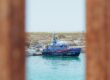
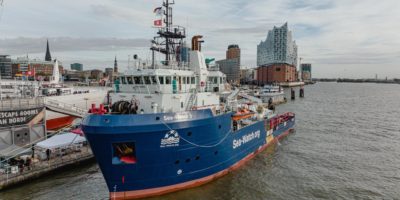

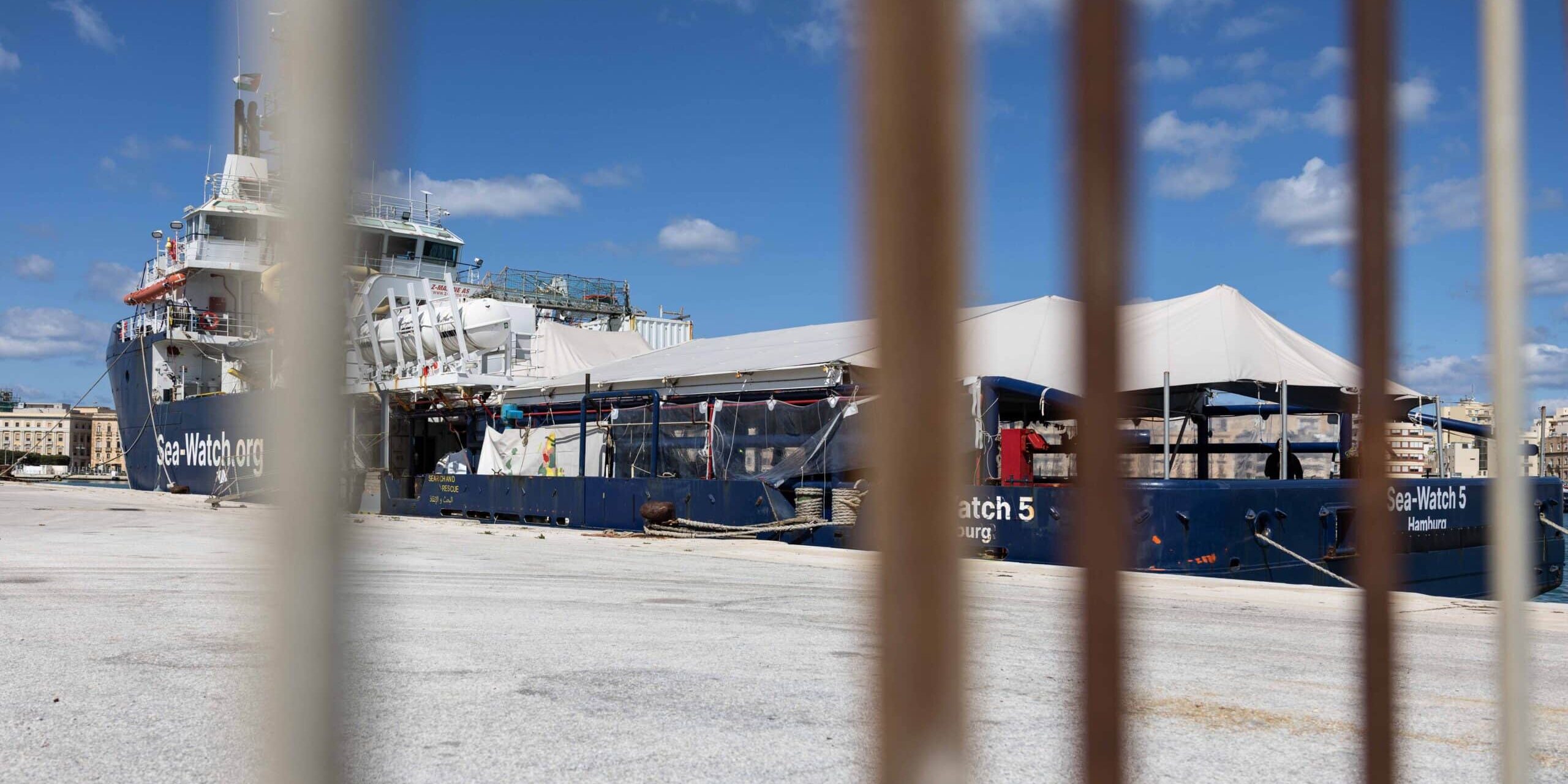
Berlin / Trapani, 30 March 2026 – Italian authorities have imposed a 20-day detention and a €10,000 fine on the civilian search-and-rescue vessel Sea-Watch 5. On March 15, the ship rescued 93 people in distress in international waters. During the rescue operation, the crew refused to communicate with Libyan militias, which return refugees to systems of arbitrary detention and torture and have repeatedly opened fire on rescue crews in the past. The crew also defied orders to proceed to a designated port more than 1,100 kilometers away. In order to safeguard the fundamental right to life (Article 2 of the European Convention on Human Rights), the captain declared a state of necessity on March 18 and instead headed to the nearer port of Trapani. Sea-Watch condemns the detention as a predictable measure designed to sabotage civilian sea rescue operations.
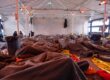
The detention order follows a rescue of 93 people on 15 March in international waters. Nine medical emergencies had to be immediately evacuated to Italy, including a two-year-old child in life-threatening condition. The Sicilian juvenile court also ordered the immediate disembarkation of 23 minors and their families.
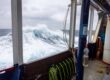
For the remaining survivors on board, authorities denied a nearby place of safety and instead assigned the distant port of Marina di Carrara in northern Italy. Located over 1,100 kilometers away, the journey would have taken several days under adverse conditions. The survivors on board were suffering from seasickness, exhaustion, and fuel burns, which needed to be treated under proper clinical conditions. In order to protect the fundamental right to life (Article 2 of the ECHR), the captain declared the state of necessity on 18 March and entered the port of Trapani.
Sea-Watch condemns the detention. The orders are based on the so-called Piantedosi Decree, the latest in a series of legislative measures introduced by Italy in recent years to restrict civil search and rescue efforts. Crews are confronted with instructions that are incompatible with international law and humanitarian obligations. Compliance would endanger both rescued individuals and crew members; refusal, in turn, leads to sanctions.
Sea-Watch Spokesperson Bana Mahmood states:
“It is clear that this is not about enforcing rules but about deliberately creating new mechanisms with the aim to detain and immobilise sea rescue ships. Administrative obstruction is killing people at sea.”