#DefundFrontex: for a state-funded civil sea rescue program

2 min read

Photo: Sea-Watch / Copyright

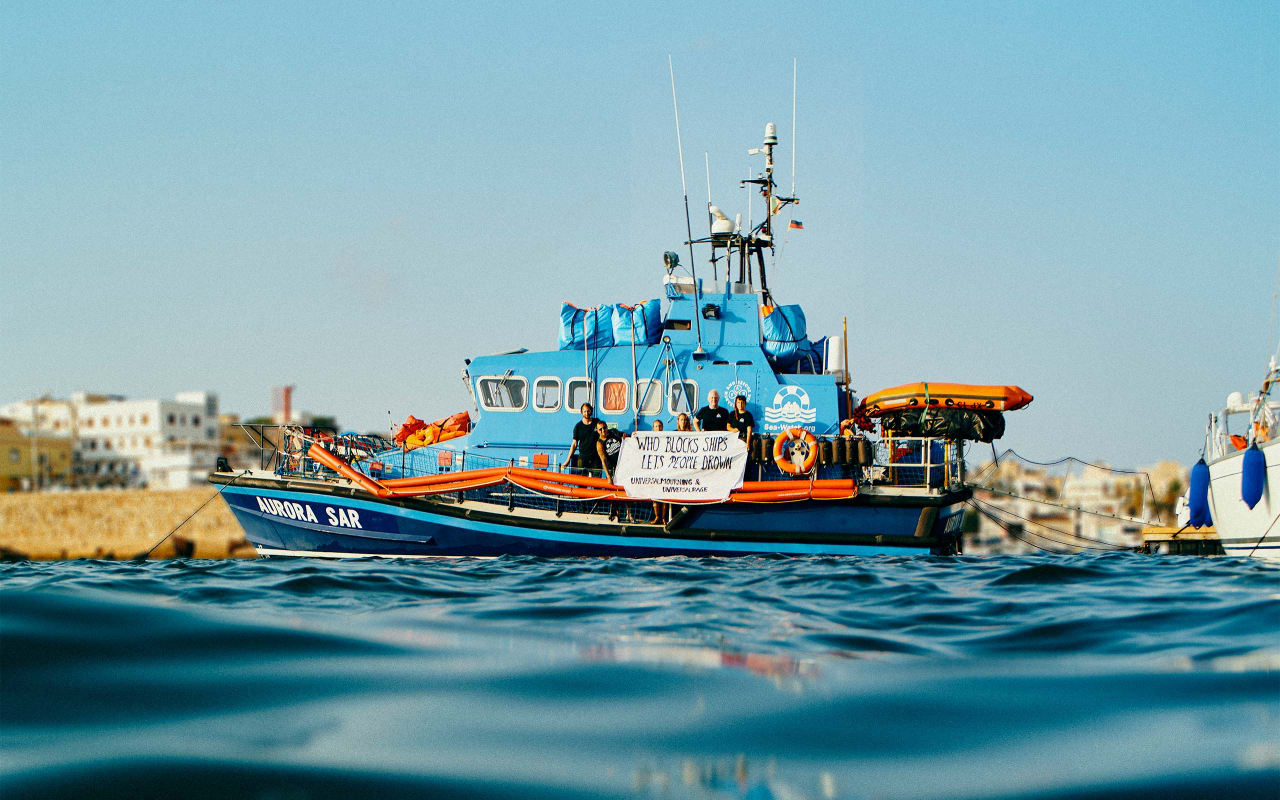
Sea-Watch and 21 other organizations are calling with #DefundFrontex to redirect Frontex budget to build a government-led and funded, nationwide and civil sea rescue program.

Since 2015, over 18,000 people have drowned in the Mediterranean. They are the direct consequence of the European policy of closure, which finds its practical implementation with the European border management agency Frontex. While the Mediterranean has become the world’s deadliest migration route, the EU is trying to maintain the status quo by constantly increasing the budget for its border management agency. By 2027, the EU is letting Frontex’s work cost 5.6 billion euros without spending a single euro on saving human lives.

Research by Sea-Watch and Frag den Staat has shown that even a tiny portion of this year’s Frontex operational budget would be enough to implement a nationwide civil sea rescue program.

“Frontex’s priority appears to be deterrence and migration defense at all costs. The money for a life-saving and human rights-compliant practice at Europe’s borders is there. Only the political will is missing”, Doreen Johann, Sea-Watch.

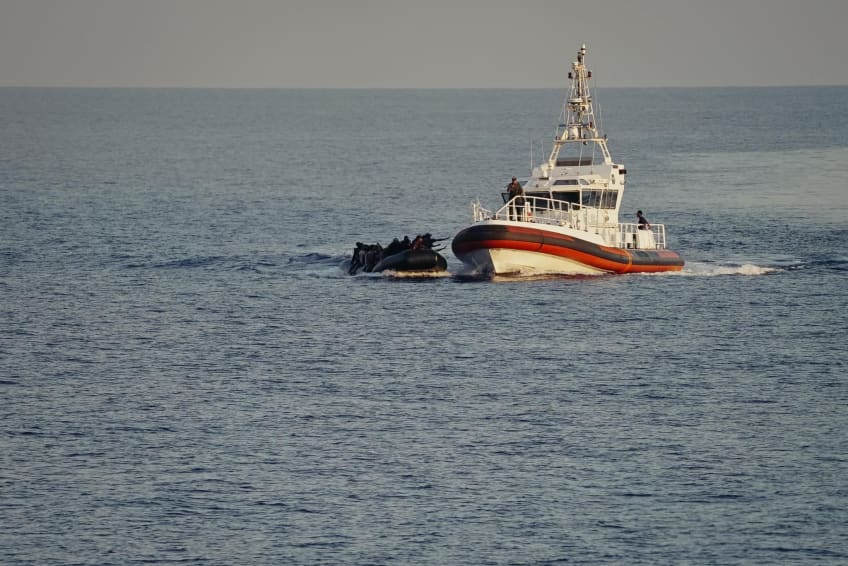
The EU actively prevents legal and safe entry routes by strengthening the border police and outsourcing further border controls through cooperation with third countries. It thus de facto not only abolishes the fundamental right to asylum but bears direct responsibility for thousands of deaths at its borders. “Frontex has used the expansion of its powers primarily to undermine human rights further and put the lives of people on the move at even greater risk”, adds Doreen Johann.

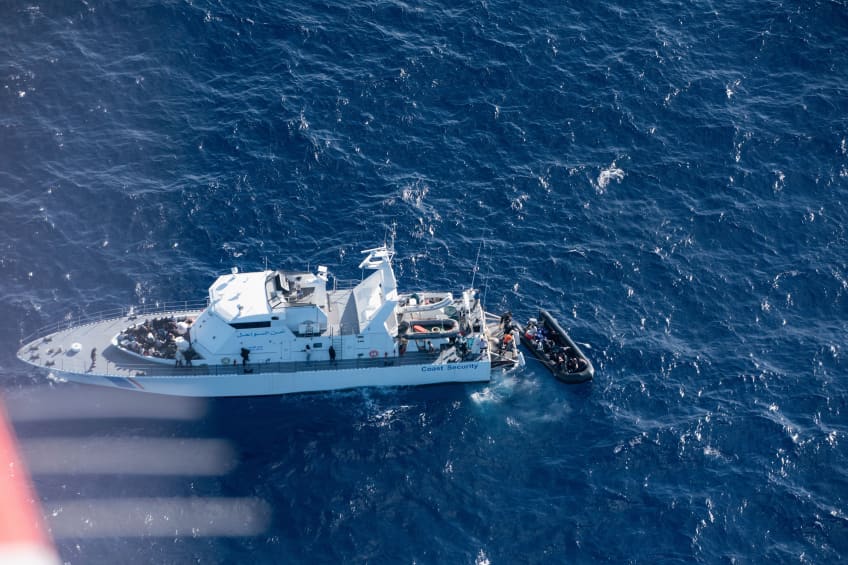
Frontex solely uses its massive annual operational budget to carry out surveillance and coordination tasks but disregards its legal obligation to save human lives. Sea-Watch and 21 other supporters are therefore calling for a long-overdue change of its course. “The Frontex budget must go into saving lives, not into further violating fundamental rights. The first step towards this is a nationwide, civil sea rescue program. We need to protect people, not borders”, Doreen Johann concludes.

Background paper: ‘Defund Frontex, Build a European Search and Rescue programme’.

More news

All news

Press Release

First Justice Fleet anniversary: major court wins for the new alliance

One year ago, 13 civilian search and rescue organisations cut all operational contact with the Libyan rescue coordination centre in Tripoli, thereby founding the Justice Fleet Alliance. Since then, their rescue ships were blocked 12 times by the Italian government, amounting to more than 300 days of lost operational time. However, Italian courts confirm the alliance's approach: six times, Italian courts set the ships free again shortly after their detention. Six additional blockades are under judicial procedure at the moment, and the alliance is awaiting their verdicts. While some legal proceedings are still ongoing, none has resulted in a final ruling against Justice Fleet members.

Press Release

2026 is the most violent year in the Mediterranean since 2016

A new report by the civil sea rescue organisation Sea-Watch documents 107 violent incidents by Libyan militias against migrants and refugees, as well as European actors in the Mediterranean since 2016. More than 70 per cent of these incidents of extreme violence, 80 in total, were carried out by the so-called Libyan coastguard. The report is being published shortly before the renewal of Germany’s EUNAVFOR MED IRINI mandate. The current version of the mandate contains no clause excluding the training of the so-called Libyan Coast Guard by the German armed forces (Bundeswehr).

Press Release

Frontex ignores rescue ship - but gives Libyan militia the coordinates of a boat in distress

A Frontex aircraft ignored repeated radio calls from the civilian rescue ship Solidaire, then promptly gave a Libyan militia the coordinates of a boat in distress, facilitating the illegal pullback of the people on board. Sea-Watch’s monitoring aircraft Seabird 2 documented the radio exchange in international waters off Libya, as well as the interception that followed. Frontex radio communications also indicate that Frontex staff share their aircraft positions via Telegram. The incident comes just one day after the European Commission proposed the largest expansion of Frontex to date.

Subscribe to our Newsletter

Fields marked with * are mandatory.
Transparente Zivilgesellschaft – We are part of the Transparent Civil Society Initiative: our figures and reports
Sea-Watch e.V. – Civil sea rescue at Europe’s bordersThis site is powered by Netlify