How long have you been with Sea-Watch and what exactly is your job?
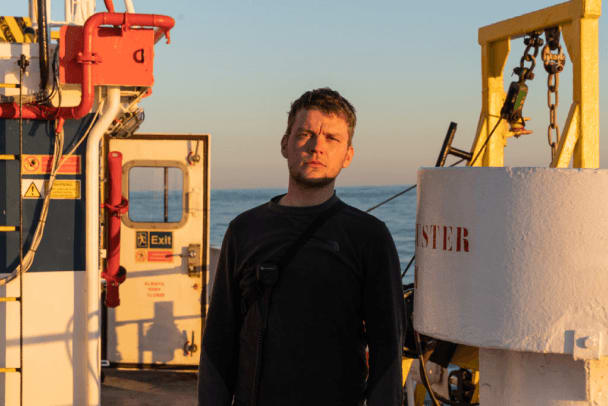
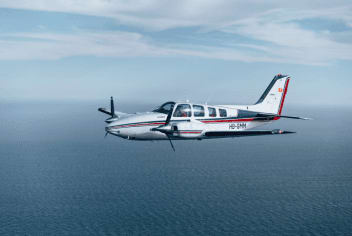
Felix: I have been with Sea-Watch since 2017. Back then, I started in Malta to take care of the logistics for our crews. That means I organised the arrival and departure of the crew members, took care of the crew house and looked after the deliveries for the ship. There, I also got to know the Airborne Team, which is responsible for Sea-Watch’s aircraft missions. At the beginning of 2018, I joined the team permanently and have since then been responsible for the media and press relations of our air reconnaissance mission. Since 2017, Sea-Watch has been observing the Mediterranean from above, documenting human rights violations and regularly supporting the ships during rescues.
Why did you join Sea-Watch?
Felix: I used to live in Saxony and saw first-hand how right-wing tendencies were becoming more and more popular. That was at the height of the right-wing Pegida demonstrations, and sometimes I just felt quite powerless. The local work and counter-demonstrations are very important, but I sometimes had the feeling that it was simply not enough to really change the situation. The political climate was so toxic, inhumane politics were enabled and legitimised more and more. After my time in Saxony, I lived in Berlin near the State Office for Health and Social Affairs (Lageso) and directly witnessed how refugees were abandoned by politics. Only civil society alliances helped when people waited for weeks in the cold in front of the office for an appointment. That’s where I met people from Sea-Watch for the first time, and then one thing led to another.
Why did you join Sea-Watch?
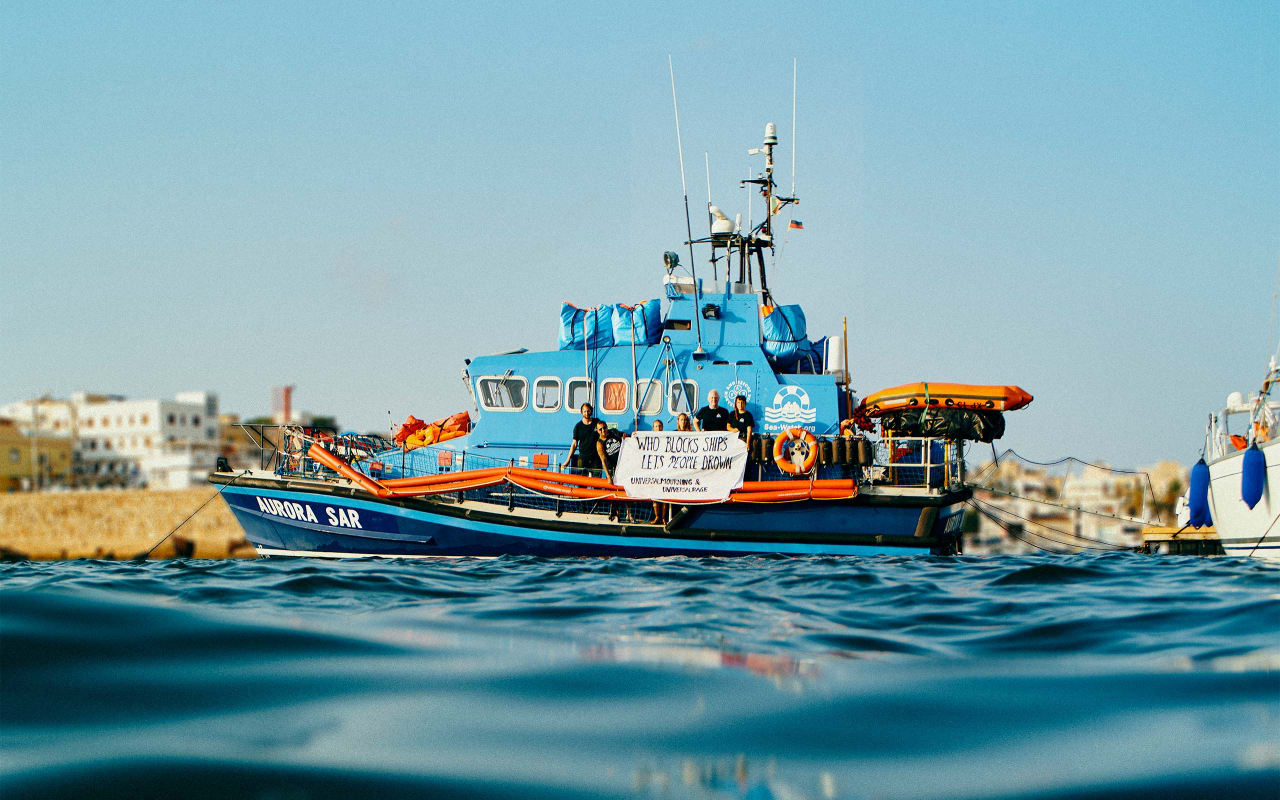
Felix: Up until 2018, the various sea rescue organisations were able to complete a lot of missions. Sometimes we were only in port for a few days before leaving again for the next mission. That changed in 2018. Civilian ships were repeatedly banned from entering the port by the authorities. People seeking protection sometimes had to wait out weeks on the deck of the ships near the coast. Since then, our ships have been detained by the authorities almost every time after entering the port, with absurd justifications. We use an incredible amount of energy to free our ships before we can set sail again. And not only the ships, but also our search planes are repeatedly prevented from taking off.
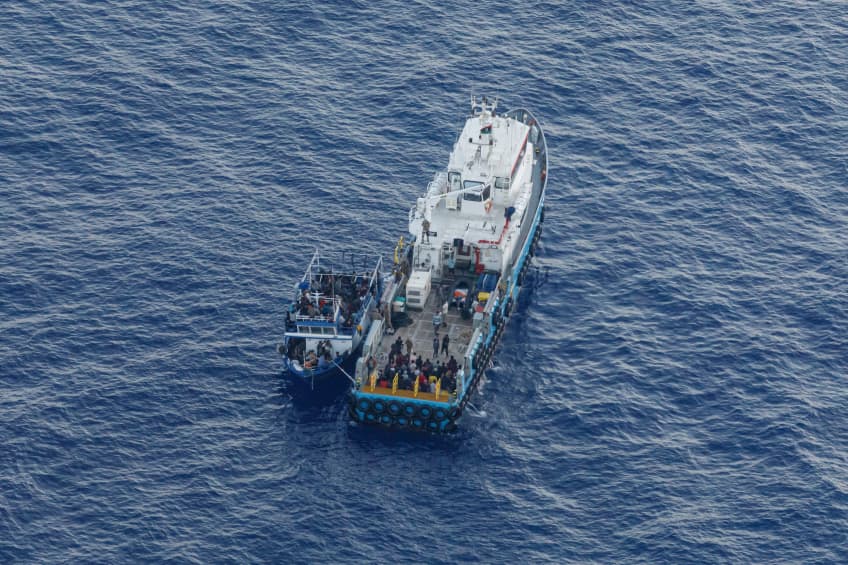
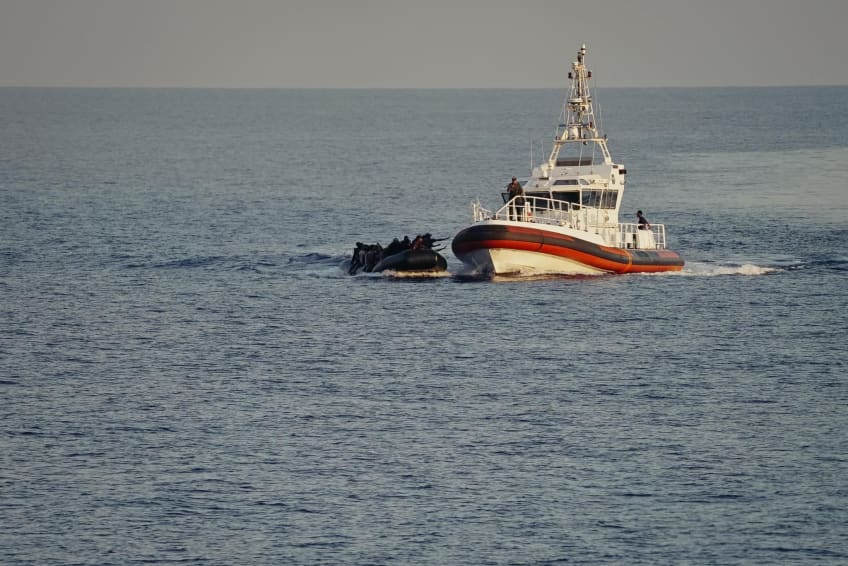
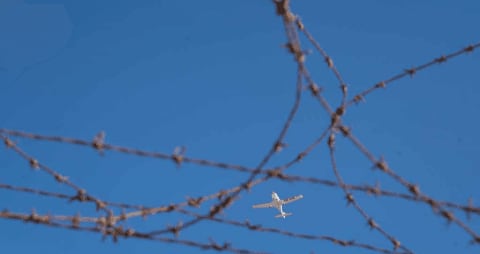
The EU has perfidiously professionalised its isolationist measures on many levels. For example, since 2018 there have hardly been any ships from the European border protection agency Frontex in the Mediterranean. Instead, Frontex massively expanded its aerial reconnaissance, a strategic step that made the inhumane work of the so-called Libyan coast guard possible in the first place. We regularly witness from the air how the border protection agency is involved in illegal returns to Libya and, in cooperation with the so-called Libyan coast guard, robs people of their existential right to asylum. We have flown over 100 missions this year and it is clear: more people have already died in the Mediterranean in 2021 than in the whole of 2020, not counting the countless people dying in Libya. The EU is pursuing a policy of letting people die and in doing so has outsourced its human rights violations to actors such as the so-called Libyan coast guard. The expansion of civilian sea rescue and the additional documentation of human rights violations from the air by our two aircraft is – if you will – also a reaction to the professionalisation of the European isolation policy and a sign that we will not simply give up.
In your opinion, what needs to change?
Felix: The EU must stop putting all its resources into sealing off Europe. In particular, cooperations such as the one with the so-called Libyan Coast Guard only bring more and more human suffering. They will not prevent people from fleeing conditions that are incompatible with a decent life. They will only force people on the move onto ever more dangerous escape routes!
Instead, the EU must fulfil its human rights obligations and put the same resources into creating legal escape routes. If this does not happen, the Mediterranean will continue to be one of the deadliest escape routes in the world.
As long as a solution to this dying remains a long way off, we will continue to be at the scene and oppose the deadly policy of closure. Because for us, human rights are and remain non-negotiable!
Subscribe to our Newsletter